Cabo Carvoeiro · Atlantic Portugal
Watching the ocean.
Counting every wingbeat.
A year-round programme for standardized seabird monitoring, training and research at Cabo Carvoeiro — one of Europe's finest Atlantic seawatching promontories.
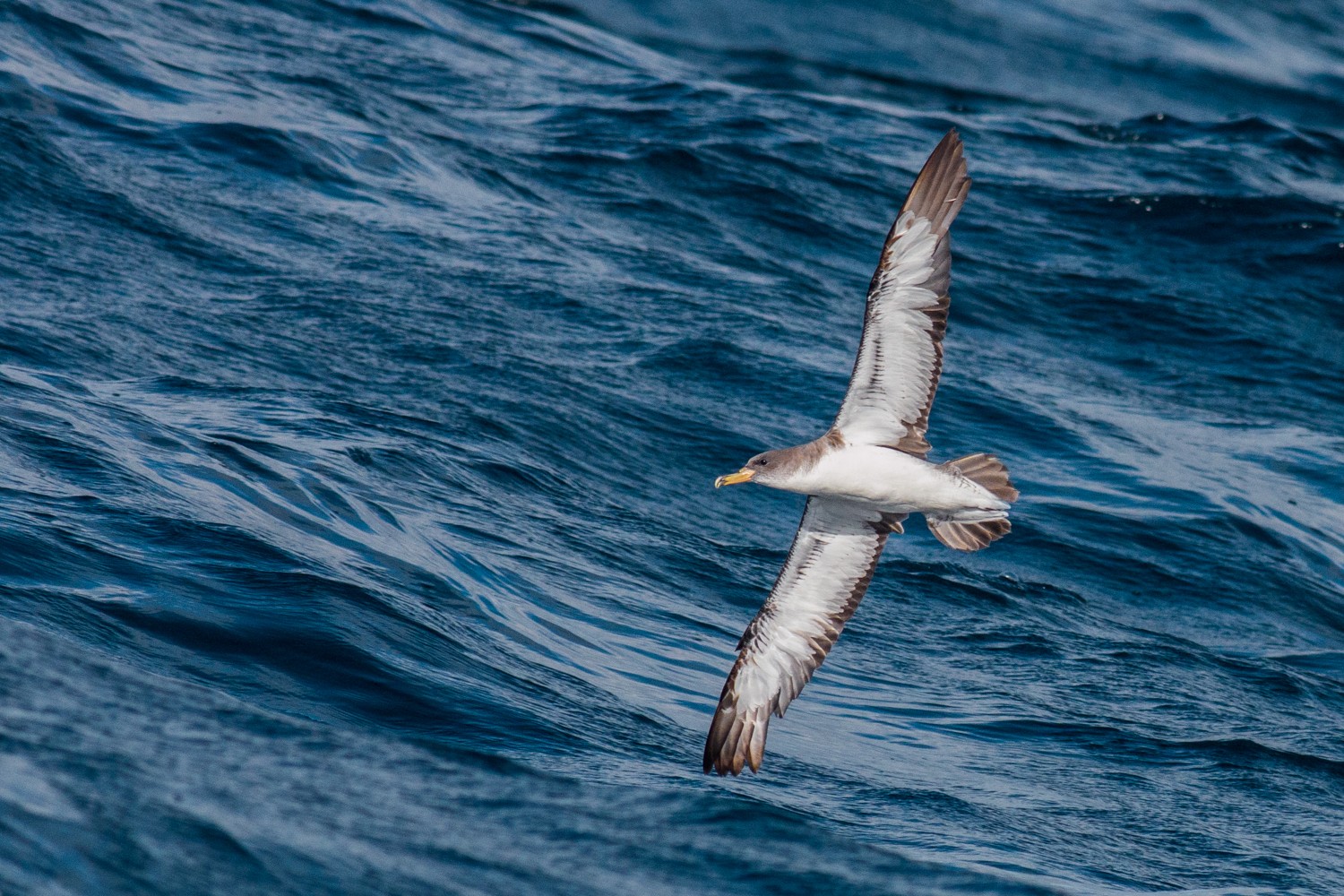
Cory's Shearwater off Cabo Carvoeiro · Photo © Pedro Nicolau
Autumn campaigns
Annual intensive seabird migration monitoring
Year-round activity
Sporadic counts, workshops, training and research
Open science
Quality-controlled datasets and summarised results
Collaboration
Working with institutions, researchers and volunteers
Why Cabo Carvoeiro
A first-class Atlantic seawatching site.
Cabo Carvoeiro, on the western coast of Portugal, is one of the country's most important vantage points for observing seabird migration along the Atlantic. Standardized land-based counts from this promontory have long demonstrated the site's scientific value.
The most comprehensive previous initiative was the 2015 Peniche Seabird Count, a three-month pilot campaign of approximately 517 hours of standardized observation that recorded more than 300,000 seabirds and contributed to scientific papers published in Seabird and Marine Ornithology.
A renewed programme
Long-term monitoring, training and public engagement.
The Peniche Seabird Observatory renews and coordinates regular seabird monitoring at Cabo Carvoeiro as a year-round initiative. Its main monitoring activity is an intensive autumn migration campaign each year, complemented by sporadic counts, workshops, observer training, research activities and public engagement throughout the year.
The first intensive autumn monitoring campaign is planned for 2026. Final dates will be announced once confirmed.
Project news & count highlights
Daily count summaries, workshops, training, research and partnership updates will be published in our News section.
Support the observatory
Long-term seabird monitoring depends on partners, sponsors and volunteers. Institutions, researchers and individuals are welcome to collaborate.